How a TRT Clinic in La Jolla Helps Address Mood and Energy Changes

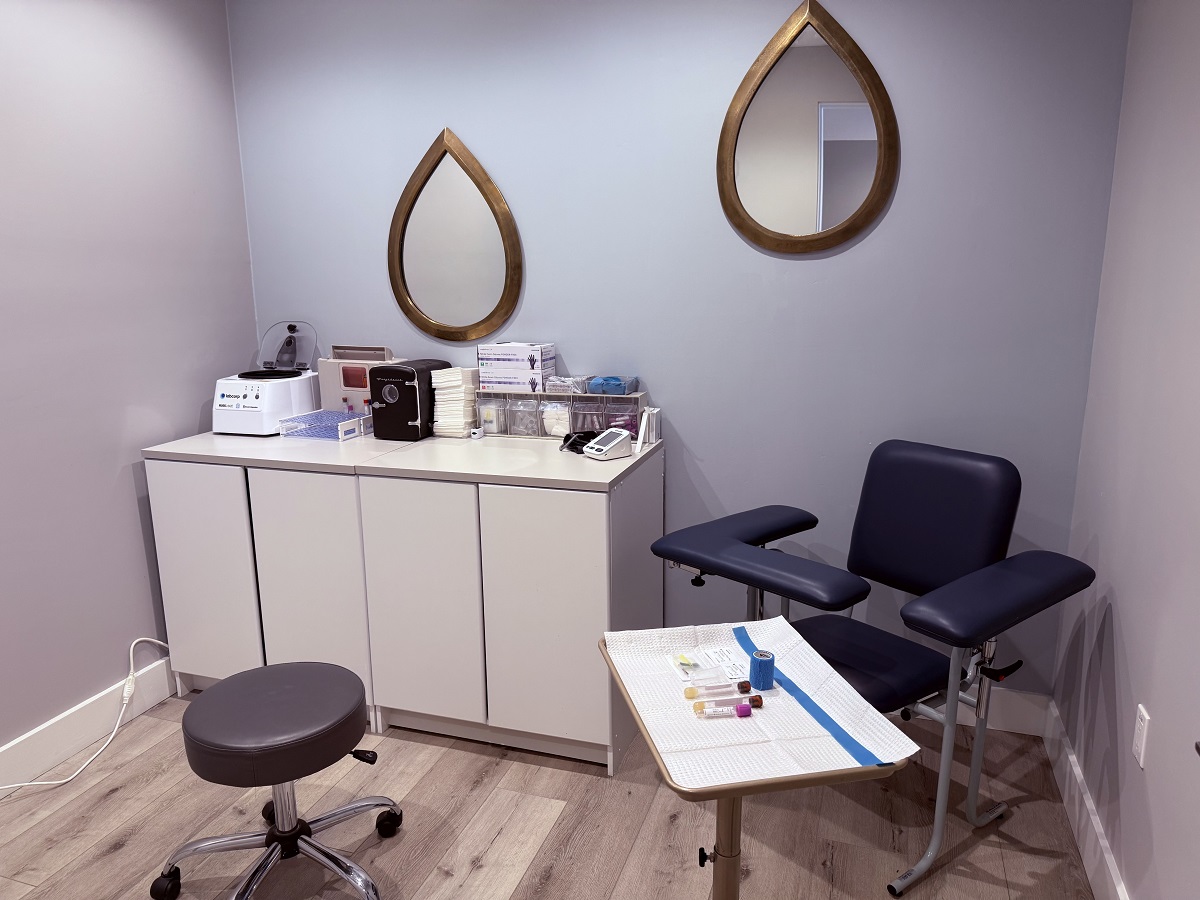
Mood changes and low energy have a way of creeping into daily life without announcing themselves. At first, it might look like a rough month at work, poor sleep, or the drag that comes with getting older. Then the pattern deepens. Motivation drops. Exercise feels harder than it used to. Patience gets shorter. Mental sharpness slips just enough to become frustrating. For some men, those shifts are tied to stress, overwork, or depression. For others, hormones are part of the picture, particularly testosterone.
That distinction matters, because low testosterone is often discussed too casually or treated as a catchall explanation for feeling off. In practice, careful evaluation is everything. A reputable TRT clinic in La Jolla does not simply hand out prescriptions based on fatigue alone. It looks at the full clinical story, symptoms, lab work, medical history, and what else might be driving the changes. When testosterone deficiency is genuinely present, treatment can make a meaningful difference in energy, mood, body composition, and sexual health. When it is not, a good clinic says so and helps patients avoid the wrong fix.
When feeling tired is more than just being busy
Most adults go through stretches of low energy. Long hours, alcohol, poor sleep, parenting demands, travel, and chronic stress can all flatten mood and stamina. That is why the first conversation at a hormone clinic should never be simplistic. Men often arrive saying they feel unlike themselves, but the real details tend to be more specific.
A patient may describe waking up tired even after a full night in bed. Another may say he still gets through the workday but has nothing left afterward, not for exercise, hobbies, or family. Some mention irritability that seems disproportionate to the situation. Others notice a fading sense of drive, both mentally and physically. Libido may decline gradually, which some men ignore until other symptoms pile up around it.
In clinical settings, that cluster matters more than any one complaint by itself. Low testosterone, or hypogonadism, usually presents as a pattern rather than a single dramatic symptom. The challenge is that the pattern overlaps with several common conditions. Sleep apnea can cause daytime exhaustion and low testosterone readings. Depression can reduce motivation, concentration, and sexual interest. Thyroid dysfunction can muddy the picture. So can obesity, chronic illness, overtraining, certain medications, and heavy alcohol use.
This is where a thoughtful evaluation earns its value. Instead of turning a real but nonspecific complaint into a quick prescription, a skilled provider tries to answer a harder question: what is the most likely cause of the mood and energy changes in this particular patient?
Why proper testing changes the conversation
Testosterone levels fluctuate. They are highest in the morning, and they can vary from one day to the next. That means a single borderline number, especially one drawn later in the day, should not be treated as a final answer. Better clinics follow a more disciplined process. They combine symptom review with repeat morning testing and, when indicated, additional hormone markers that help identify whether the issue originates in the testes, the pituitary, or another system entirely.
In real practice, that distinction can be important. A 38-year-old with stress, weight gain, snoring, and a marginal lab result may need sleep evaluation and lifestyle changes before anyone talks seriously about testosterone replacement. A 56-year-old with persistently low morning testosterone, reduced libido, decreased muscle mass, and no obvious reversible cause may be a stronger candidate. The treatment path should reflect those differences.
A careful workup often includes total testosterone, and sometimes free testosterone, along with labs such as CBC, CMP, estradiol, PSA for appropriate patients, thyroid markers, and occasionally LH and FSH. Not every patient needs the same panel, but the point is the same: mood and energy are not vague lifestyle complaints when they are approached systematically. They become measurable concerns that can be evaluated responsibly.
The role of a TRT clinic in La Jolla
La Jolla draws a population that tends to be health-conscious, active, and engaged in performance, whether that means career performance, athletic performance, or simply wanting to age well. That can be helpful, but it can also create pressure. Men who are used to functioning at a high level are often the first to notice a subtle decline. They may not be debilitated, but they know something is off.
A strong TRT clinic in La Jolla typically serves patients who want answers without guesswork. That starts with medical oversight, not branding. The best clinics spend time reviewing symptom history, sleep quality, weight changes, medications, alcohol intake, stress load, prior hormone use, and future fertility goals. They also discuss expectations plainly. Testosterone replacement is not a stimulant. It does not create overnight transformation, and it does not solve every cause of fatigue or low mood.
What it can do, in the right patient, is restore levels to a physiologic range and reduce symptoms that are linked to deficiency. Some men report improved morning energy, steadier mood, better workout recovery, and a return of sexual interest within weeks. Others notice more gradual changes over two to three months, especially in body composition and exercise tolerance. There is variability, and experienced clinicians prepare patients for that rather than overselling the process.
How testosterone affects mood and energy
Testosterone is often reduced to a stereotype about masculinity, but its physiologic effects are broader and more nuanced. It contributes to muscle maintenance, red blood cell production, sexual function, and overall vitality. It also interacts with brain chemistry in ways that can influence mood, motivation, and mental drive.
That does not mean testosterone is an antidepressant. Men with major depression need a full mental health evaluation, and many will benefit from therapy, psychiatric care, or both. Still, low testosterone can amplify emotional flatness, irritability, and a sense of diminished resilience. Patients sometimes describe it less as sadness and more as blunting. They feel less engaged, less decisive, less interested in things that used to feel rewarding. When levels are truly low and treatment is appropriate, lifting that physiologic burden can change the emotional texture of daily life.
Energy works the same way. The improvement is often not a dramatic jolt. More commonly, patients say they stop feeling depleted by normal tasks. They recover faster from exercise. They are less likely to hit a wall at 3 p.m. They find it easier to stay consistent with habits that had started slipping, such as training, meal prep, and trt clinic La Jolla getting out socially. Those changes can seem modest on paper, but they compound.
What treatment actually looks like
People often assume TRT is a one-time decision followed by an indefinite prescription with minimal follow-up. In well-run clinics, it should be much more deliberate than that. Treatment starts with choosing the right method and dose, then adjusting based on response and lab monitoring.
Common options include injections, topical preparations, and less commonly other delivery systems. Injections are widely used because they are effective and allow dose flexibility. Some men do well with weekly injections. Others feel better with smaller, more frequent dosing because it can smooth out peaks and troughs. Topicals appeal to patients who dislike needles, though absorption can be inconsistent, and there are practical concerns around skin transfer to partners or children.
Patients should know a few realities before starting:
- Symptom relief is gradual, not instant.
- Dosing often requires adjustment after follow-up labs.
- Fertility can be affected, sometimes significantly.
- Monitoring for side effects is part of treatment, not an optional extra.
- Lifestyle still matters, even when hormones improve.
That final point is easy to underestimate. Men sometimes expect testosterone to compensate for six hours of sleep, nightly drinks, poor nutrition, and no exercise. It will not. In fact, some of the best outcomes happen when treatment supports a broader reset. Better energy leads to better training. Better training improves sleep and body composition. Better sleep supports mood. The therapy can be helpful, but it rarely works in isolation.
Fertility, age, and the details that should not be skipped
One of the clearest markers of clinic quality is how it handles fertility counseling. This topic is often brushed aside in marketing, but it should never be brushed aside in patient care. Exogenous testosterone can suppress sperm production. For a man in his thirties or early forties who wants children, that can be a major issue. A responsible provider addresses it before treatment begins and discusses alternatives or adjunctive strategies when appropriate.
Age also changes the conversation. A man in his late twenties with low testosterone deserves a particularly careful investigation. That may include looking for pituitary issues, medication effects, prior anabolic steroid use, obesity-related suppression, or sleep-disordered breathing. A man in his sixties may still be an excellent candidate for TRT, but his cardiovascular history, prostate screening considerations, hematocrit, and medication profile should be reviewed thoughtfully.
This is one reason many patients prefer a specialized setting over self-diagnosis or online shortcuts. The decision is not merely whether testosterone is low. It is whether replacement is appropriate, safe, and likely to help more than it harms.
The mood piece is often more personal than the lab values
In practice, mood-related complaints often carry a layer of embarrassment. Men are generally more comfortable saying they are tired than saying they feel emotionally flat, impatient, detached, or less confident. A skilled clinician knows how to ask questions that bring those symptoms into the open without forcing a patient into a psychiatric label that may not fit.
Sometimes the most revealing comments are ordinary. A patient says he no longer wants to go out with friends. He still goes to the gym, but only because he knows he should. His spouse says he seems distant. He feels more reactive with his kids. He does not describe despair. He describes erosion.
That kind of history does not prove testosterone deficiency, but it makes the evaluation more complete. It also helps define success. If treatment is started, the goal is not simply moving a number into range. The goal is to improve lived function. Is the patient more engaged? More consistent? Sleeping better? Exercising with less drag? Feeling more like himself? Those outcomes matter.
Monitoring is where good clinics separate themselves
The quality of follow-up often tells you more about a clinic than the initial consultation. Testosterone therapy needs supervision because the right dose for one man may be excessive for another, and side effects are easier to prevent than to clean up later.
A sound monitoring plan generally looks at symptoms and repeat labs after treatment begins, then at regular intervals. Hematocrit deserves attention because testosterone can raise red blood cell production. Estradiol may matter in some patients, especially if symptoms suggest imbalance. PSA monitoring may be part of care in age-appropriate men, based on individual risk and shared decision-making. Blood pressure, sleep, body composition, libido, and mood should be revisited, not assumed.
This is also the stage where expectations are refined. Some men feel substantially better with normalized testosterone. Others feel only partly better, which can uncover other issues that were there all along, such as untreated sleep apnea, burnout, alcohol overuse, insulin resistance, or an underlying mood disorder. That does not mean the treatment failed. It means the body rarely presents one neat answer at a time.
What patients often notice first
While response varies, there are some patterns clinicians hear repeatedly in follow-up visits. Energy often improves before major body composition changes. Libido may return relatively early. Mood may become steadier, though not euphoric. Men who were dragging through workouts often report better recovery and more willingness to train consistently.
A practical way to think about the timeline is this:
| Change patients may notice | Typical pattern | |---|---| | Energy and drive | Often improves within several weeks, though not always dramatically | | Libido and sexual interest | May increase early, sometimes within weeks | | Mood steadiness | Can improve gradually over one to three months | | Exercise recovery | Often becomes noticeable once dosing is stable | | Body composition | Usually slower, often requiring months plus consistent training and nutrition |
Those are not guarantees, and any clinic that presents them as promises is overselling the treatment. But they reflect the general arc many patients experience when therapy is clinically appropriate and properly monitored.
Lifestyle still determines how far treatment goes
One of the most common mistakes in hormone care is treating TRT as separate from the basics. It is not. Sleep quality, resistance training, protein intake, body fat level, stress load, and alcohol consumption all influence how a patient feels, with or without medication. In some men, improving those factors raises testosterone modestly on its own. In others, it enhances the benefit of replacement therapy.
A patient with poor sleep hygiene and significant stress may start TRT and feel somewhat better, but still remain tired. A patient who uses that improved baseline to train regularly, lose visceral fat, and treat sleep apnea may see a much bigger change in mood and energy. The medication creates an opening. Habits determine how much fits through it.
Clinicians who have been doing this work for years tend to be blunt about that reality. If a man is sleeping five and a half hours a night, drinking heavily on weekends, and expecting hormones to restore his focus and stamina, the ceiling will remain low. The body keeps score. Hormones are one line in a much longer ledger.
Choosing a clinic with the right mindset
Not every hormone clinic practices with the same level of rigor. Patients should look for signs that the provider is thinking medically, not just transactionally. Time spent on history-taking, willingness to repeat labs, honest discussion of fertility, and a clear monitoring plan all matter more than flashy claims.
A good clinic also knows when not to prescribe. That may sound counterintuitive, but it is often the mark of trustworthy care. If a patient has normal testosterone and classic signs of sleep apnea, referral for a sleep study may do more for mood and energy than any hormone protocol. If symptoms point strongly toward depression, the best next step may involve mental health support rather than endocrine treatment. Restraint is part of competence.
For men in coastal Southern California, the appeal of a local clinic is often convenience combined with access to specialty care. A TRT clinic in La Jolla can offer both, provided it approaches treatment with the seriousness it deserves. The location may be attractive, but the real value lies in thorough evaluation, individualized dosing, and follow-up that respects the complexity of hormonal health.
The bigger picture
Mood and energy changes are not trivial complaints. They shape work, relationships, exercise habits, self-image, and overall quality of life. Men often wait too long to investigate them because fatigue feels ordinary and emotional dullness can be hard to name. Yet when those symptoms persist, they deserve more than guesswork.
Testosterone is not the answer to every case of burnout or low motivation. Still, for the right patient, identified through careful testing and sound clinical judgment, treatment can be genuinely useful. It can restore a steadier baseline, reduce friction in daily life, and help a man regain the physical and mental consistency he had started to lose.
That is the real role of a well-run TRT clinic, not selling an idea of perpetual youth, but clarifying whether hormones are part of the problem and, if they are, treating them responsibly. When mood and energy changes have a hormonal component, precision matters. So does honesty. The best care provides both.
SDBody La Jolla
7710 Fay Ave, La Jolla, CA 92037
+1 858-401-2383
FAQ About trt clinic La Jolla
How much should my TRT cost?
TRT costs depend on the clinical evaluation, medication, laboratory testing, and follow-up plan. Ask for an itemized estimate that includes the initial visit and ongoing monitoring. SDBody La Jolla can explain its current fees after discussing the services being considered.
Will Insurance Pay for TRT in La Jolla?
Coverage depends on your plan, diagnosis, prescribed treatment, and provider network. Ask your insurer about medical necessity requirements, prior authorization, laboratory coverage, and out-of-pocket costs. Confirm SDBody La Jolla's billing arrangements directly; insurance payment is not guaranteed.
Is TRT safer than steroids?
Testosterone is itself an anabolic steroid. Clinician-prescribed replacement for confirmed testosterone deficiency differs from nonmedical steroid use, but it still carries risks and requires monitoring. Possible concerns include increased red blood cell levels and reduced sperm production. Discuss your medical history and fertility goals with a qualified clinician before considering treatment.